Israel-Iran Tensions Escalate Again Despite Trump’s Push for Peace Talks
Fresh Missile Exchanges Raise Fears of Wider Middle East Conflict
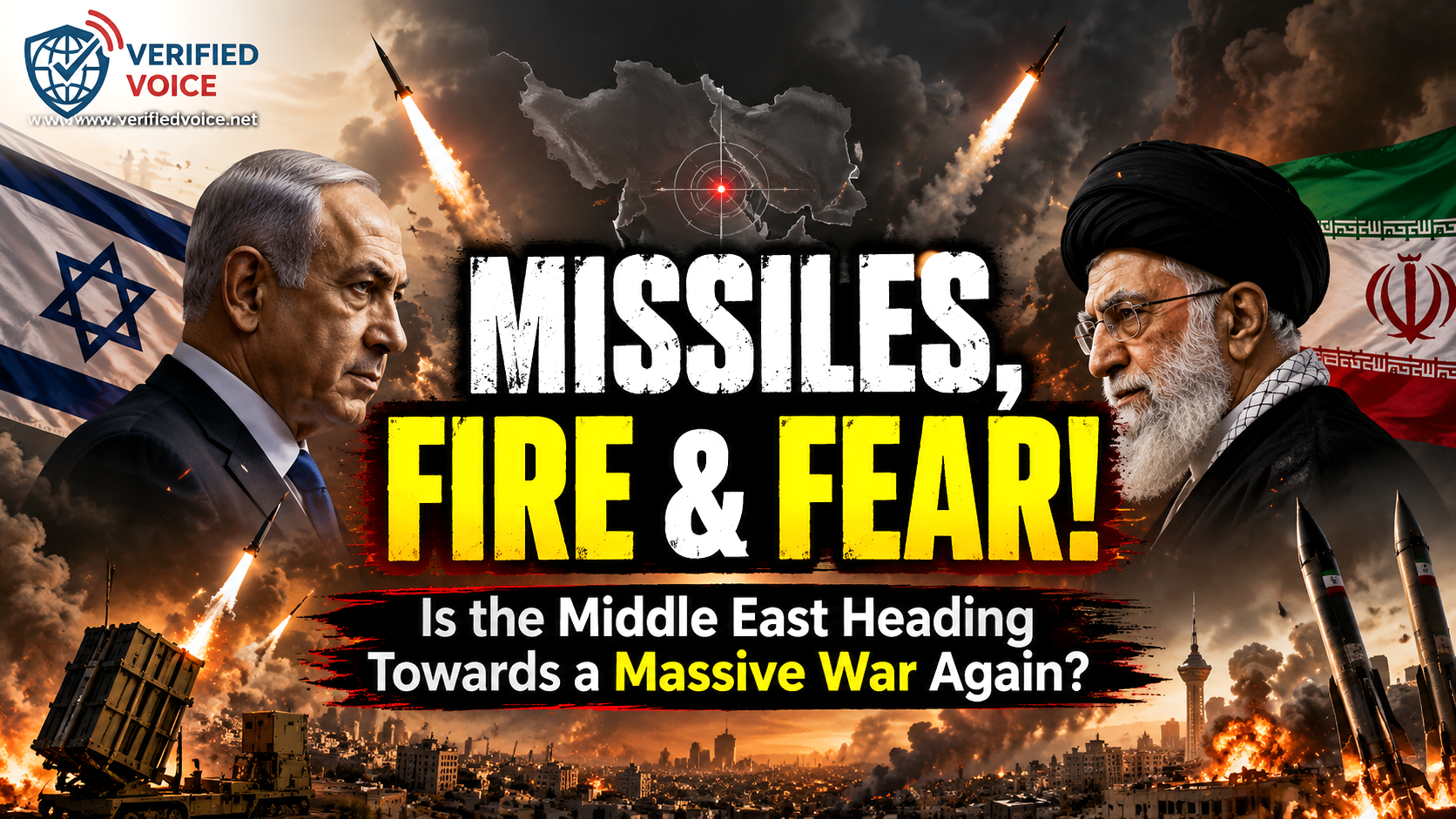
The fragile calm between Israel and Iran appeared to collapse on Monday after both countries exchanged fresh attacks, increasing fears that the Middle East could slide back into a major regional war.
The latest escalation came only hours after US President Donald Trump publicly urged Israel to avoid further retaliation against Iran, insisting that peace negotiations were still alive and close to success.
According to Israeli and Iranian officials, both sides launched strikes targeting military and industrial locations. One of the most significant incidents was an Israeli strike on a petrochemical facility in Mahshahr, located in southwestern Iran. Tehran quickly responded, with Iran’s Islamic Revolutionary Guard Corps (IRGC) claiming responsibility for attacks on similar industrial targets near the Israeli city of Haifa.
Residents in Jerusalem reported hearing multiple explosions as air defense systems worked to intercept incoming missiles. Israeli authorities stated that several Iranian missiles were detected and neutralized before causing casualties.
The renewed confrontation follows Sunday’s missile launches by Iran toward Israel. Israeli officials claimed all 11 missiles were intercepted successfully without any loss of life. In response, Israel carried out strikes on military-related targets inside western and central Iran.
Trump Attempts to Prevent Full-Scale War
President Donald Trump has been trying to stop the conflict from spiraling further. Speaking to international media, Trump stressed that ongoing military exchanges would not destroy ongoing negotiations between Washington and Tehran.
In comments that drew global attention, Trump stated that Israeli Prime Minister Benjamin Netanyahu was not in control of US foreign policy decisions. He emphasized that his administration remained committed to securing a broader peace agreement in the region.
Reports suggest Trump personally contacted Netanyahu by phone and urged him to avoid additional attacks, warning that a diplomatic breakthrough could still be achieved.
At the same time, Trump also sent a message to Tehran, calling on Iranian leaders to stop missile launches and return to the negotiating table.
Oil Prices Surge as Global Markets React
The latest violence immediately impacted global energy markets. International oil prices climbed more than three percent during early Monday trading, with Brent crude rising above $96 per barrel.
Analysts fear that continued instability could threaten shipping routes near the Strait of Hormuz, a critical passage responsible for transporting a large share of the world’s oil and liquefied natural gas supplies.
Iran has repeatedly warned that escalating military pressure could affect maritime traffic in the region, creating concerns for global economies already dealing with inflation and rising fuel prices.
Yemen and Lebanon Fronts Add More Pressure
The crisis expanded further after Israel reported a missile launch from Yemen, marking the first such incident since the ceasefire announced in April. Israeli defense systems were activated as sirens sounded across parts of Tel Aviv.
Meanwhile, tensions also remain high in Lebanon. Israel recently launched strikes near Beirut’s southern suburbs, an area known as a Hezbollah stronghold. Israeli officials said the operation was conducted in response to attacks launched toward Israeli territory.
Hezbollah has continued its operations despite ongoing ceasefire discussions and insists it will not disarm unless Israeli military actions inside Lebanon come to an end.
Nuclear Deal and Regional Peace at Risk
The current escalation threatens delicate negotiations between the United States and Iran aimed at ending months of regional conflict.
Trump has repeatedly claimed that Washington is close to securing a deal that would prevent Iran from developing nuclear weapons while also restoring stability across the Middle East.
However, Tehran continues to demand the removal of international sanctions, the release of frozen Iranian assets, and recognition of its strategic influence in the region before any final agreement can be reached.
With missiles once again crossing borders and tensions rising on multiple fronts, fears are growing that the Middle East may be heading toward another dangerous chapter of instability.
READ MORE:
Iran, Israel pause attacks ‘on Trump’s Urging’