Pakistan’s Army Chief Asim Munir Emerged as a Key Peacemaker in the Iran Conflict
By Hannah Ellis-Petersen (Rewritten Version)
Published: April 17, 2026
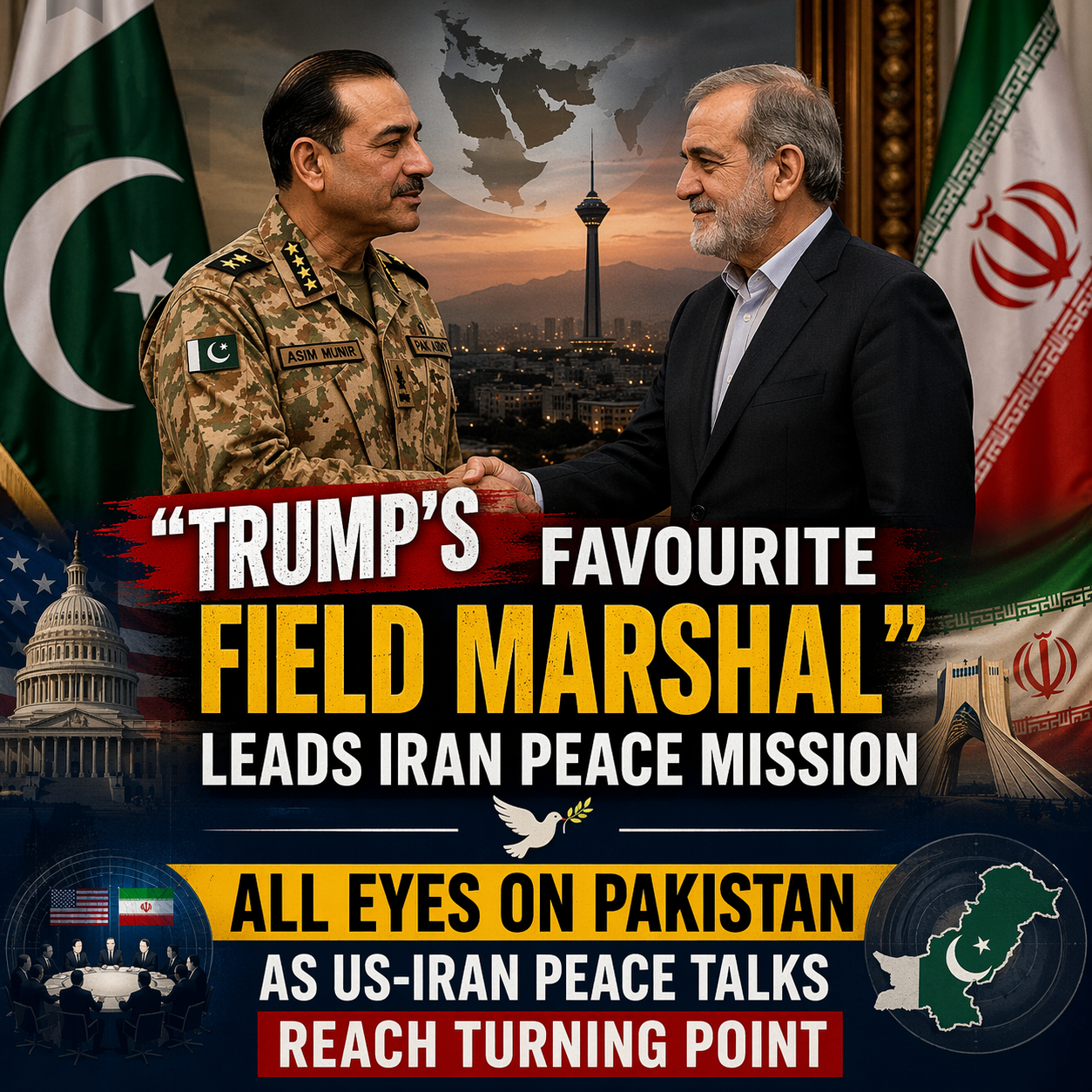
Pakistan’s Chief of Army Staff, Field Marshal Asim Munir, has unexpectedly taken center stage in global diplomacy, positioning himself as a crucial mediator in the escalating tensions between Iran and the United States. His recent visit to Tehran highlights Pakistan’s growing role in international peace efforts and underscores Munir’s rising influence on the world stage.
A High-Stakes Visit to Tehran
Upon arriving in Tehran earlier this week, Munir was warmly received by Iran’s top diplomat and chief negotiator, Abbas Araghchi. Wearing his military uniform, Munir stood out not as a traditional diplomat, but as a figure determined to push forward peace talks.
His visit came at a critical moment. Just days earlier, US Vice President JD Vance had left Islamabad after marathon negotiations between American and Iranian officials failed to produce a breakthrough. With tensions rising, including a US naval blockade in the Strait of Hormuz, the risk of further escalation loomed large.
Despite the setbacks, former US President Donald Trump publicly acknowledged Munir’s efforts, praising his role in keeping communication channels open. Munir reportedly carried a fresh proposal from Washington aimed at restarting negotiations, with Islamabad expected to host the next round of talks.
Pakistan’s Unlikely Diplomatic Role
Pakistan has rarely been viewed as a central player in Middle Eastern diplomacy, yet recent developments have shifted that perception. At the heart of this transformation is Munir, who has emerged as a trusted intermediary between Tehran and Washington.
Sources suggest that many of the key communications between the US and Iran have been facilitated directly through Pakistan’s military leadership in Rawalpindi rather than the civilian government in Islamabad. Munir has reportedly played a hands-on role, personally relaying messages and coordinating discussions between both sides.
Former diplomat Maleeha Lodhi noted that Munir’s leadership has been pivotal, emphasizing that his influence has surpassed that of traditional diplomatic channels.
From Domestic Focus to Global Statesman
When Munir took office in 2022, his priorities were largely internal. His tenure initially focused on consolidating power and addressing domestic political challenges. However, over the past 18 months, he has shifted gears, actively building international relationships.
He has strengthened ties with key global players, including the United States, Saudi Arabia, and Iran. His visits to Washington and involvement in economic and defense agreements have elevated Pakistan’s global standing. By late 2025, Munir had already secured significant deals involving minerals, cryptocurrency, and defense cooperation.
Analysts credit his proactive approach and direct communication style as key factors behind his diplomatic success. Rather than waiting for engagement, Munir has consistently taken the initiative.
Strengthening US-Pakistan Relations
A major factor behind Munir’s growing influence is his success in rebuilding ties with the United States during Trump’s second administration. Through strategic cooperation, including the extradition of high-profile militants, he gained Washington’s trust.
Pakistan’s support during regional conflicts, particularly tensions with India in 2025, further strengthened this relationship. Munir’s ability to navigate these situations helped boost his credibility both domestically and internationally.
His interactions with Trump reportedly played a significant role in shaping US perceptions, with the former president openly praising him and maintaining close engagement.
Balancing Relations with Iran
Munir’s diplomatic reach extends beyond Washington. He has also worked to repair and strengthen ties with Iran, especially after tensions in early 2024. Pakistan’s strong stance on regional conflicts, including its criticism of Israel’s actions in Gaza and Iran, has helped rebuild goodwill.
Public sentiment within Pakistan has largely supported Iran, which has further reinforced Islamabad’s position as a credible intermediary.
A Collective Effort, Not a Solo Mission
While Munir has been the most visible figure in these peace efforts, analysts caution against attributing all progress to one individual. Pakistan’s broader diplomatic machinery, including government officials and regional allies, has also played a significant role.
Delegations have been actively engaging with countries like China, Saudi Arabia, and Turkey to build consensus and support for a negotiated settlement.
What’s at Stake for Pakistan
The success of these negotiations carries significant implications. For Munir, it represents an opportunity to cement his reputation as a global power broker. For Pakistan, it’s a chance to reposition itself as a serious diplomatic player capable of influencing major international conflicts.
More importantly, stability in the region is critical for Pakistan’s own economic and security interests. Prolonged conflict between the US and Iran could have severe consequences for the country.
Looking Ahead
Even if a peace agreement is reached, Munir’s role is unlikely to end there. Experts believe Pakistan could play an ongoing role in maintaining stability across the Gulf and broader Middle East.
Munir appears to be shaping a long-term vision where Pakistan is not just a regional actor but a key contributor to global security frameworks.
As one analyst put it, this moment is not just about ending a conflict—it’s about redefining Pakistan’s place in the world.